

manuelabatey68
About manuelabatey68
Want to Know More About Investor?

The arithmetic here is brutal and worth understanding clearly. A buyer who financed a $400,000 home at three percent in 2021 pays roughly $1,686 per month on principal and interest. That same loan at a seven percent rate costs $2,661. Those numbers explain why the market froze rather than crashed when rates moved higher. Volume collapsed. Prices mostly did not.
 Affordability, by the standard measure of what share of median household income goes toward the monthly payment on a median-priced home, is near its worst level since the early 1980s. That is a real problem, and it is not going away quickly. A market can stay unaffordable for longer than most buyers expect to wait. What it means, practically, is that the buyer who can close confidently has more leverage than the headline numbers suggest.
Your credit score affects your rate more directly than most buyers realize. The difference between a 680 score and a 760 score can mean a half-point or more in rate. If your score has room to improve, pull your reports, find the issues, and address them before you start shopping seriously.
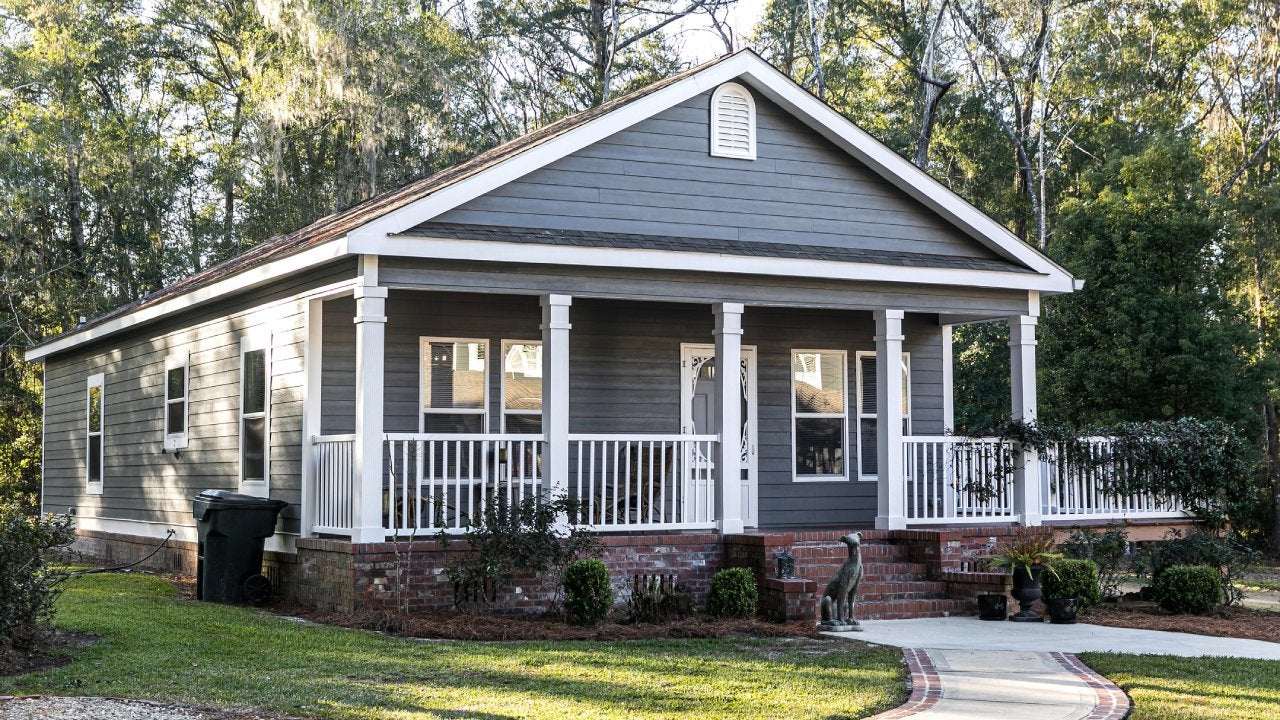 The inspection is where the marketing copy meets reality. Show up for it even if it costs you half a day of work. A good home inspector will walk you through what they are finding as they go, and the conversation is often more valuable than the written report that follows.
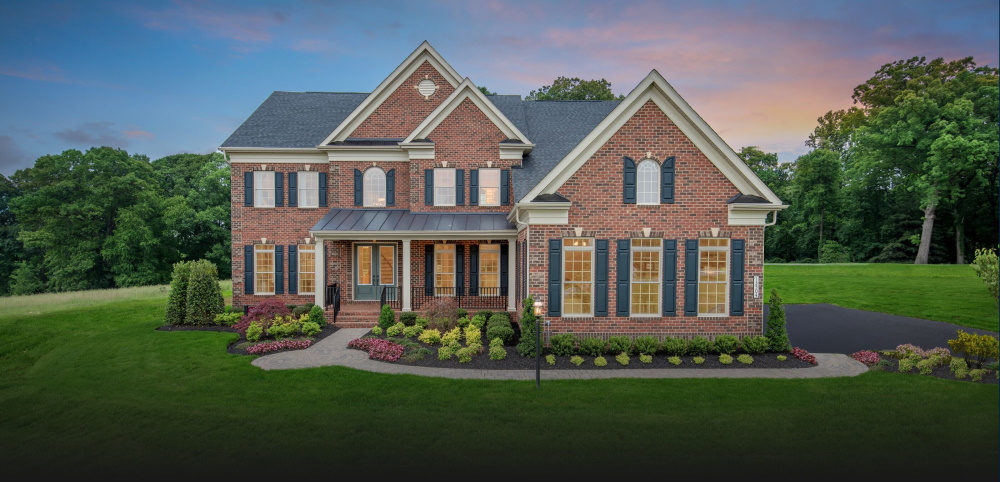 Budget two to four percent of the purchase price for closing costs, on top of your down payment. First-time buyers often do not see the full closing cost picture until the Closing Disclosure arrives three days before settlement. Ask your lender for a Loan Estimate with a realistic purchase price so the numbers reflect what you are actually going to face.
 For buyers with a stable income, a down payment of at least ten percent, and a concrete plan to stay in the home for at least five years, this market is more navigable than the headlines suggest. The homes that meet real criteria at a realistic price are still moving. They are moving to buyers who showed up prepared.
Real estate rewards preparation more than it rewards timing. Nobody consistently calls the top or the bottom of a market, but buyers who show up informed and financially ready close deals in every cycle. Start by browsing current homes for sale and market resources to build a realistic picture of your options.
No listing found.