

Cultural influences shaping gambling trends across different societies
The Historical Context of Gambling
Gambling has a rich historical tapestry that varies from one culture to another, shaping societal perceptions and practices. In ancient civilizations, such as those in Mesopotamia and China, gambling was often tied to religious practices and community events. Dice were created in these cultures, emphasizing chance and fate as integral elements of their belief systems. This historical lineage has significantly influenced contemporary attitudes towards gambling, framing it as an activity intertwined with tradition and social connection. Notably, you can explore more at https://tcl99-australia.com/, which showcases modern gaming initiatives.

Over time, as societies evolved, so did their gambling practices. The Middle Ages in Europe saw a shift toward gambling as a form of leisure among the nobility, establishing casinos and gambling houses that became social hubs. This transition marked gambling’s evolution from a community-centered activity to one associated with wealth and exclusivity. Such historical contexts continue to affect modern gambling trends, as people often perceive gambling as a means of social status and entertainment.
Moreover, various cultures have adopted gambling uniquely. For instance, while lotteries and betting on horse races are prevalent in Western countries, Asian cultures often emphasize games of skill, such as Mahjong and Pai Gow. These distinctions illustrate how historical practices continue to influence contemporary gambling forms, shaping laws, regulations, and public perception of gambling across societies.
Cultural Beliefs and Attitudes towards Gambling
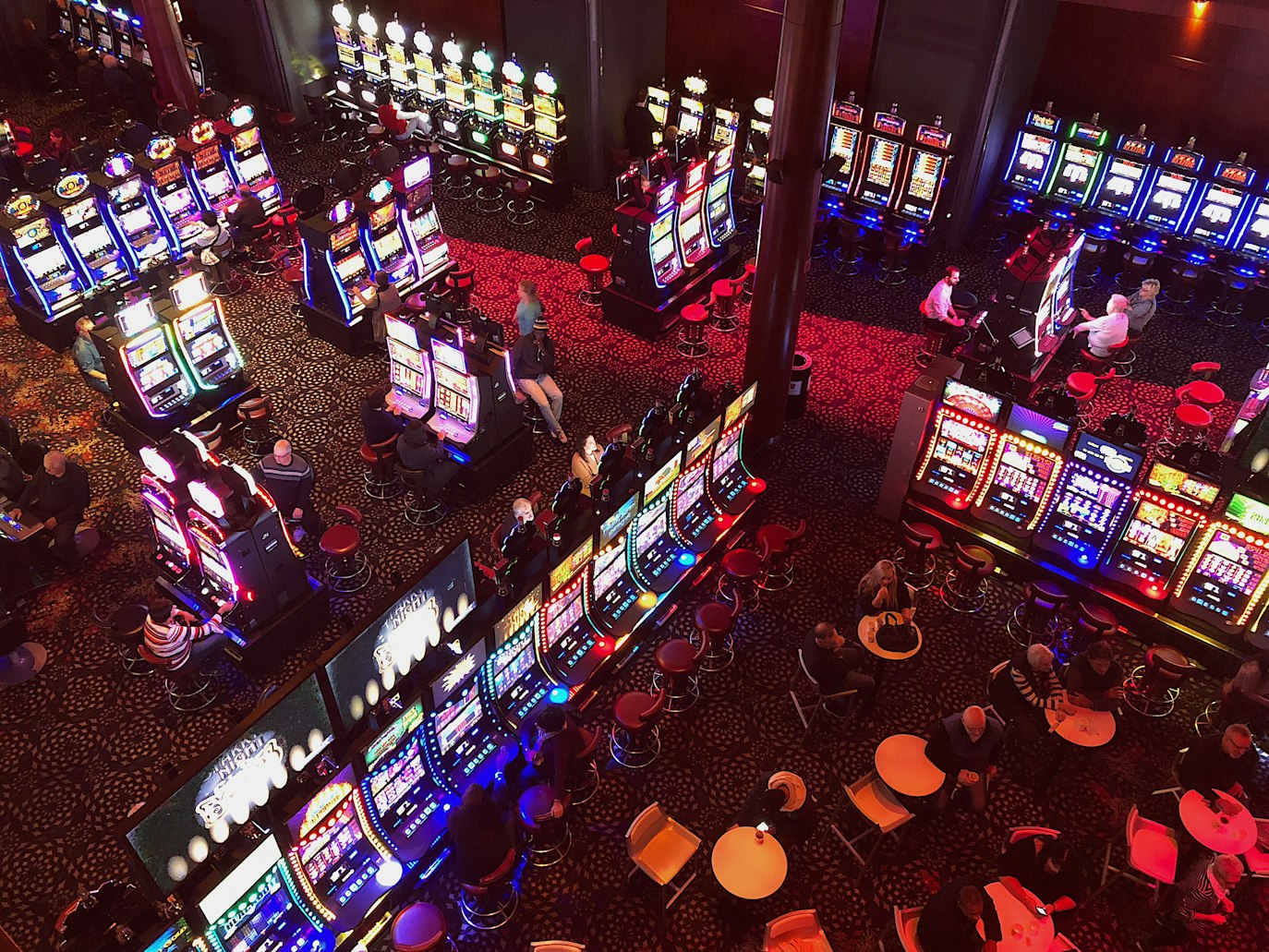
Cultural beliefs significantly influence how gambling is perceived and accepted within different societies. In some cultures, gambling is viewed as a harmless pastime, a source of entertainment that brings people together. For instance, in many Western societies, casinos are popular entertainment destinations where socializing and leisure converge. This acceptance is often supported by a legal framework that legitimizes and regulates gambling activities, contributing to a thriving gaming industry.
Conversely, in certain cultures, gambling is frowned upon or even prohibited due to religious or moral beliefs. For instance, in Islamic societies, gambling is strictly forbidden, viewed as a vice that leads to social and moral decay. This cultural perspective shapes the legal landscape regarding gambling in these countries, making it a largely underground activity. The strict stance against gambling contributes to a cultural narrative that equates gambling with negative social outcomes, thereby influencing behaviors and attitudes toward the activity.
Furthermore, cultural attitudes toward luck and chance also play a critical role in gambling trends. In cultures that celebrate luck as an integral part of daily life, such as in many Asian societies, gambling may be embraced as a way to harness good fortune. This belief system not only influences the types of games played but also impacts how individuals engage with gambling, often viewing it as a spiritual or cultural experience rather than merely a financial gamble.
The Role of Technology in Shaping Gambling Trends
Technological advancements have transformed the gambling landscape, influencing trends across various societies. The rise of the internet and mobile technology has facilitated the growth of online gambling platforms, making it more accessible than ever. This shift has reshaped how people engage with gambling, allowing for greater participation from individuals who may have previously been excluded due to geographical or social constraints. The convenience of online gambling has attracted a younger demographic, changing the traditional face of gaming.
In addition to accessibility, technology has also enhanced the gaming experience through innovations such as virtual reality and live dealer games. These developments have created immersive environments that replicate the casino experience from the comfort of home, appealing to tech-savvy players. Cultural acceptance of technology further drives this trend, as societies increasingly embrace digital platforms for entertainment, including gambling.
Moreover, technology has facilitated targeted marketing strategies that reflect cultural preferences and social norms. For instance, data analytics allows gambling companies to tailor their offerings based on regional tastes, promoting games that resonate with specific cultural values. As technology continues to evolve, it will likely play an even more significant role in shaping the future of gambling trends, reflecting the diverse cultural landscapes across the globe.
Legal Frameworks and Regulations by Culture
The legal frameworks surrounding gambling vary widely across different cultures, significantly influencing gambling trends and practices. In countries like the United States, gambling regulations are complex and often state-specific, allowing for a mix of legalized gambling options, including casinos, lotteries, and sports betting. This legal landscape reflects a broader cultural acceptance of gambling as a legitimate form of entertainment, leading to substantial economic contributions from the gaming industry.
Conversely, in countries where gambling is illegal or heavily restricted, underground gambling operations often flourish. This dichotomy highlights the cultural tensions surrounding gambling, where legal prohibitions may inadvertently create a more clandestine gambling culture. In these societies, risk-taking behaviors may still persist, albeit outside the bounds of legality, underscoring the profound impact cultural values have on gambling practices.
Furthermore, regulatory bodies often reflect cultural attitudes toward gambling, leading to varying levels of consumer protection and responsible gaming initiatives. In cultures that prioritize public welfare, more stringent regulations may be implemented to address gambling addiction and protect vulnerable populations. As such, the legal frameworks not only shape the gambling landscape but also serve as reflections of cultural values regarding risk, responsibility, and community well-being.
Exploring the Trends at TCL99 Casino
TCL99 Casino exemplifies the intersection of cultural influences and contemporary gambling trends. As Australia’s premier online gaming destination, it offers a diverse array of gaming options, catering to various cultural preferences and gaming styles. The casino’s robust selection of over 3,000 premium slots and live dealer games reflects the growing demand for diverse gaming experiences, allowing players from different backgrounds to find something that resonates with their preferences.
With a focus on user experience, TCL99 Casino incorporates advanced technology to facilitate seamless gameplay. The platform supports multiple payment methods, including cryptocurrencies, highlighting a cultural shift towards embracing digital currencies in the gaming industry. This adaptability to changing consumer preferences showcases how modern gambling entities respond to cultural trends, ensuring that they remain relevant in an ever-evolving landscape.
Furthermore, the casino’s commitment to customer support and fast withdrawals aligns with the cultural expectations of convenience and efficiency in online transactions. By understanding and catering to the diverse needs of its players, TCL99 Casino exemplifies how cultural influences shape modern gambling trends, reinforcing the significance of cultural context in shaping player experiences in the gaming industry.
